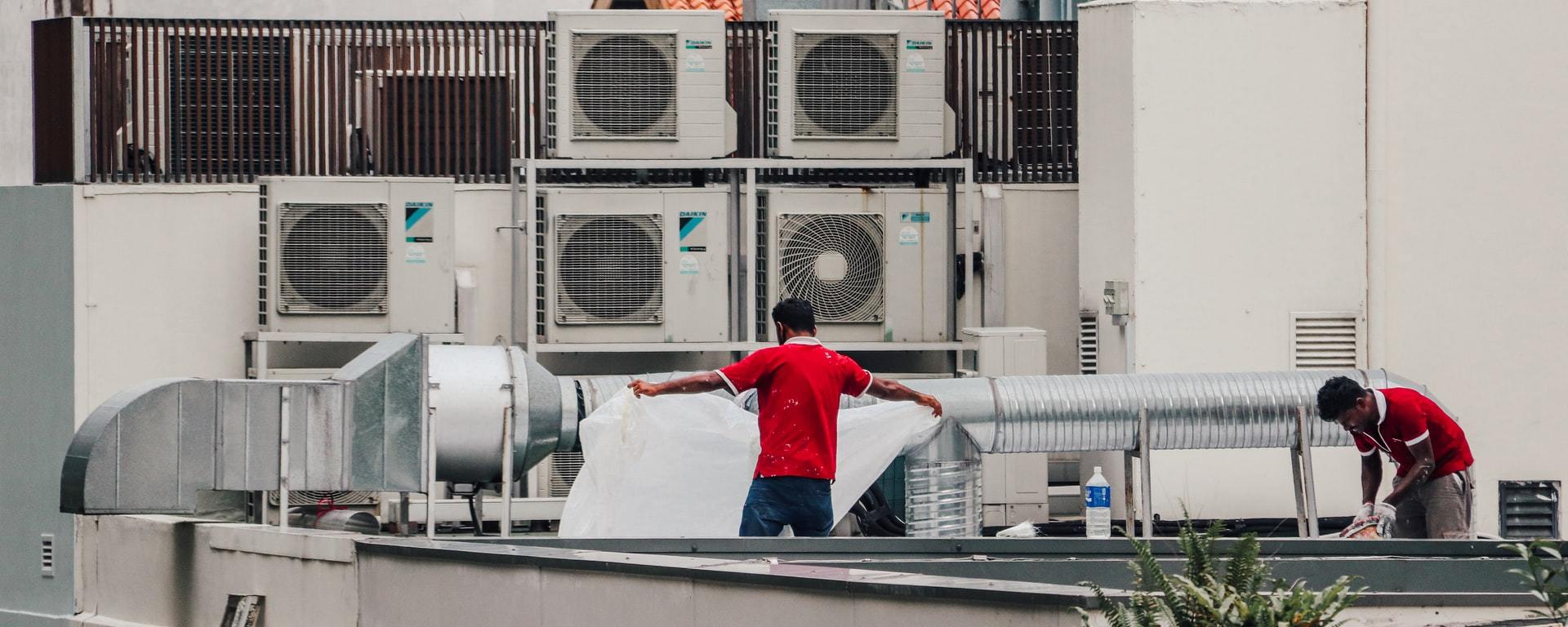
Installing a new air conditioning system is one of the best ways to improve home comfort and energy efficiency. Whether you’re upgrading from an older model or installing a brand-new system, a bit of preparation can make the process smoother, faster, and less stressful. From selecting the right unit to clearing the work area and ensuring proper electrical access, this guide covers everything homeowners should know before installation day. If you’re researching air conditioning Dubbo or anywhere else, these tips apply no matter your climate or home layout.
1. Choosing the Right Air Conditioning System
Before installation begins, it’s essential to choose a system that suits your home’s layout, insulation, and daily use patterns. There are several types of systems available:
- Split Systems: Perfect for cooling or heating individual rooms or open-plan spaces. They’re cost-effective, energy-efficient, and easy to maintain.
- Multi-Split Systems: One outdoor unit connects to multiple indoor heads, offering flexible temperature control for various areas without visible ducting.
- Ducted Systems: Ideal for whole-home comfort, ducted systems allow zoning to cool or heat selected areas at different times of the day. While they require a higher upfront investment, they offer a clean aesthetic and quiet operation.
- Evaporative Systems: A budget-friendly choice that uses water to cool the air, best suited for dry climates. However, they perform less efficiently in humid conditions and require windows to be partially open for ventilation.
Selecting the correct size is just as important as the system type. An undersized unit will struggle to cool your home, while an oversized one will cycle on and off too often, wasting energy. A professional installer should always perform a heat load assessment, which factors in insulation, ceiling height, sun exposure, and room dimensions.
2. Preparing the Indoor Area
Once your system is selected and scheduled for installation, it’s time to prepare the space. A clean, clutter-free environment makes the job easier and helps prevent damage to your belongings.
- Clear the Installation Area: Move furniture, décor, and electrical cords away from the walls where the indoor units will be installed. For ducted systems, ensure the attic or crawl space is accessible.
- Protect Your Belongings: Dust can be stirred up during drilling or ducting work. Cover nearby furniture or electronics with drop sheets or light cloths.
- Plan for Accessibility: Ensure that technicians can easily enter and navigate your home. Clear hallways and pathways from the entry point to installation zones.
3. Preparing the Outdoor Space
The outdoor condenser or unit requires adequate space and ventilation to function efficiently. To prepare:
- Clear Debris: Remove any leaves, branches, or garden equipment from the area where the outdoor unit will sit.
- Ensure a Stable Surface: If you’re installing a ground-mounted unit, make sure the surface is flat and secure—typically a concrete slab or metal brackets.
- Provide Easy Access: Technicians need room to move tools and materials. Keep gates unlocked and pets safely secured away from the work area.
- Think About Airflow: Avoid placing the outdoor unit near walls, fences, or dense plants that could obstruct airflow or trap heat.
4. Electrical and Compliance Considerations
A professional installer will handle all wiring and compliance tasks, but it’s helpful to understand what’s required. Air conditioning installation must meet electrical safety standards, and only licensed technicians should connect refrigerant lines and electrical components. Before the appointment:
- Confirm that your electrical system can handle the new air conditioner’s load.
- Identify where your electrical panel or circuit breaker is located in case access is needed.
- Discuss with your installer whether additional wiring or upgrades are necessary.
5. Post-Installation Steps
After installation, your technician will test the system, calibrate the thermostat, and demonstrate how to use it efficiently. Take note of any maintenance recommendations—most manufacturers suggest servicing at least once a year.
You can also take steps to maintain performance between professional visits:
- Clean or replace filters regularly.
- Keep indoor and outdoor units free from dust and debris.
- Ensure vents or registers are open and unobstructed.
- Use smart thermostats or timers to control temperature and save energy.
6. Maintenance, Efficiency, and Longevity
A well-maintained air conditioning system can last 10–15 years or more. To maximize efficiency:
- Seal windows and doors to prevent cool air from escaping.
- Install proper insulation to reduce heat transfer.
- Schedule seasonal maintenance to check refrigerant levels, coils, and electrical connections.
- Consider integrating solar power to offset daytime cooling costs.
These small actions help ensure your investment runs efficiently and keeps energy bills low year-round.
Final Thoughts
Preparing your home for an air conditioning installation doesn’t just make the job easier for technicians; it also protects your property and ensures your new system performs at its best from day one. With the right planning, a suitable system, and routine maintenance, you’ll enjoy reliable comfort and long-term energy savings. For homeowners comparing systems or exploring air conditioning Dubbo options, proper preparation and professional installation are key to years of dependable cooling and heating comfort.
 NeoPluse – Tech That Moves You Forward